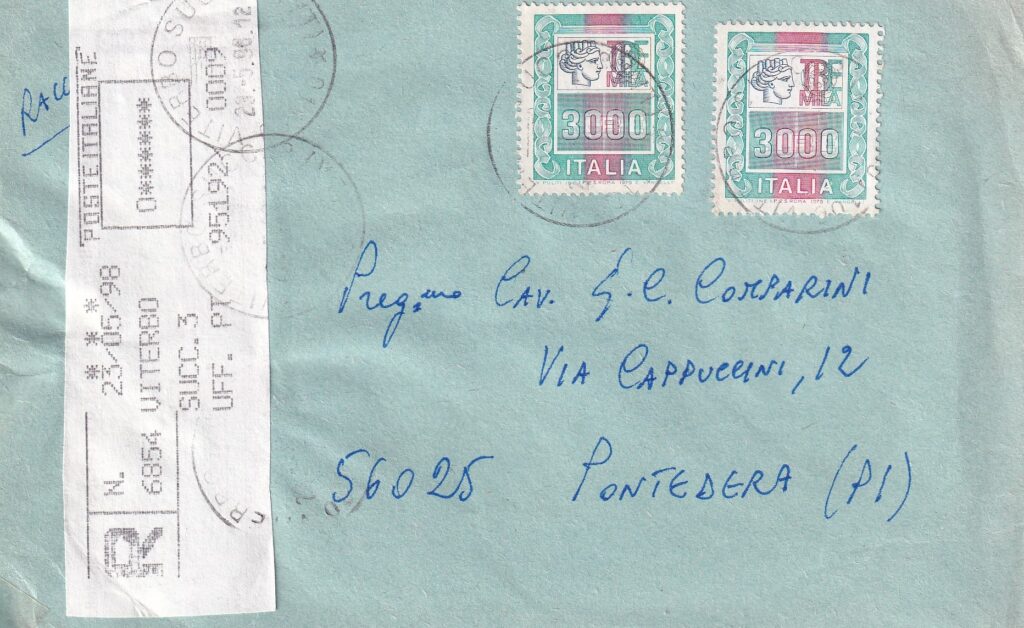
E’ disponibile il nuovo numero de “Il Francobollo Incatenato” di gennaio 2023, accedi all’area soci per scaricarlo!

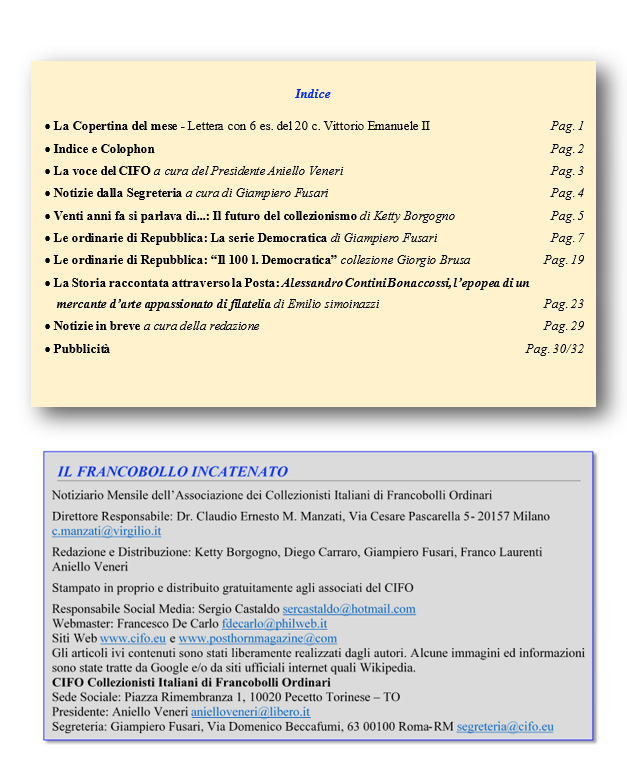
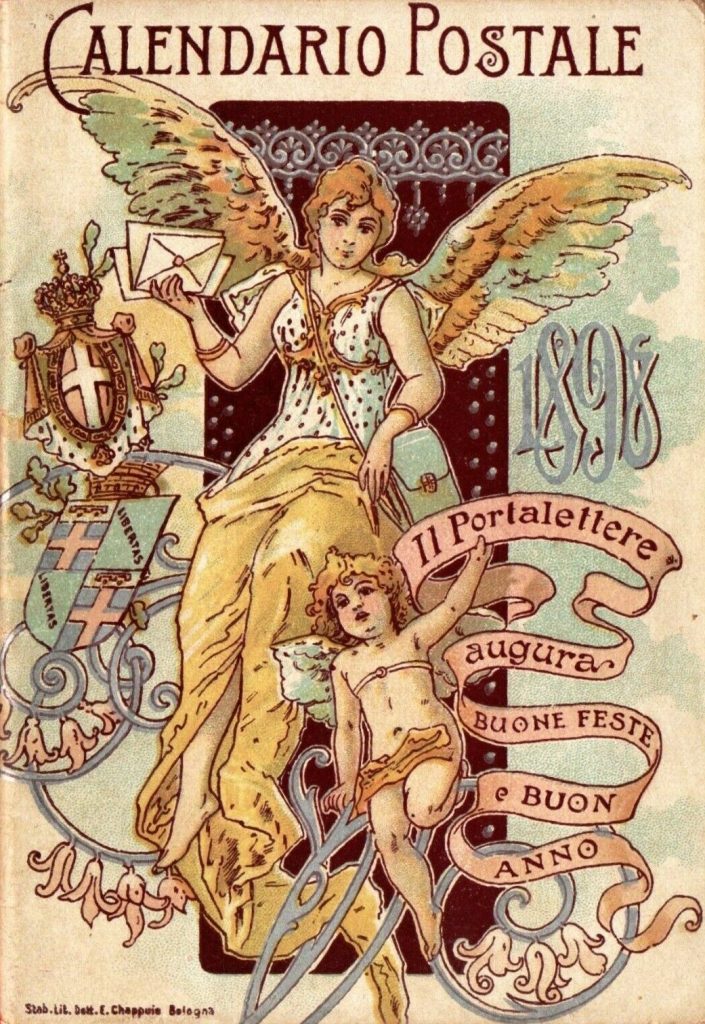
Un sincero augurio di Buon 2023 dal CIFO! Vi aspettiamo numerosi nel nuovo anno con le nostre iniziative!
Per info e contatti scrivere a anielloveneri@libero.it
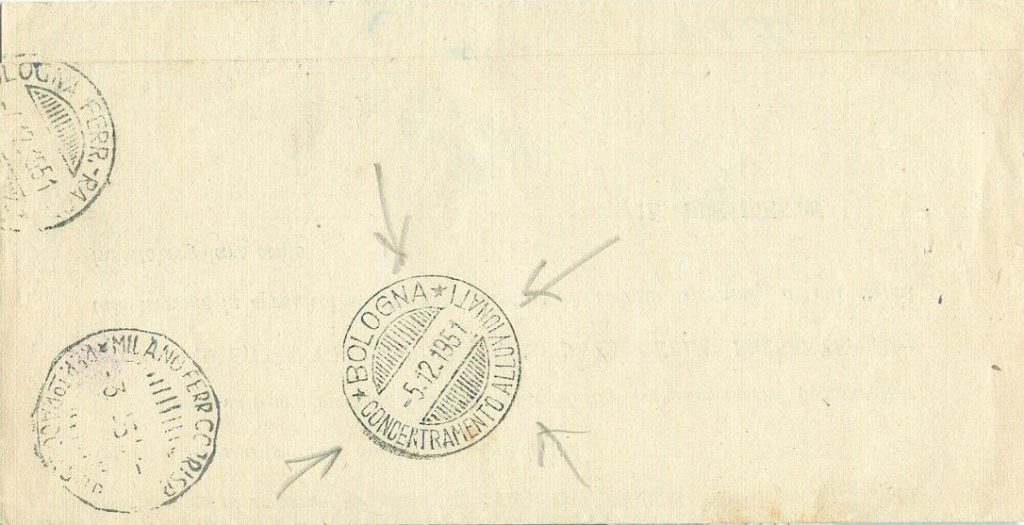
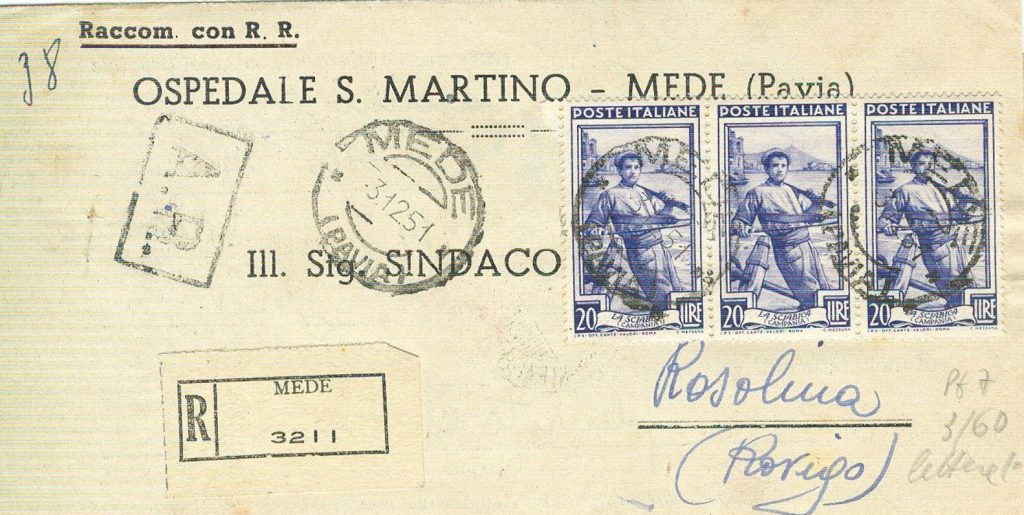
Il bollo “Bologna – Concentramento alluvionati” apposto al verso della lettera il 5 dicembre 1951 non ha una genesi chiara, si suppone sia stato creato, a seguito dell’alluvione del Polesine del novembre 1951, per segnalare l’instradamento della corrispondenza nelle zone alluvionate. Chi ha qualche esemplare analogo è pregato di darne notizia alla mail anielloveneri@libero.it

Dallo scorso 29 ottobre sono ripresi i “Venerdì Filatelici” con il primo appuntamento in cui Claudio Manzati ha parlato della nuova classe espositiva “Filatelia d’Oggi”. Al seguente link il video completo https://www.youtube.com/watch?v=SXTvUcGhE_8

Dal 1° luglio 1946 entrò in vigore il DM 28 marzo 1946 riguardante i pieghi di libri sottofascia fino a 700 gr. spediti da case editrici e librarie: una riduzione fissa del 25% estensibile anche al diritto diraccomandazione. Soltanto il 10 ottobre 1946 venne emesso il valore da 25 c. Democratica per consentire l’applicazione della tariffa agevolata. L’uso nella speciale tariffa è sempre interessante e poco comune.
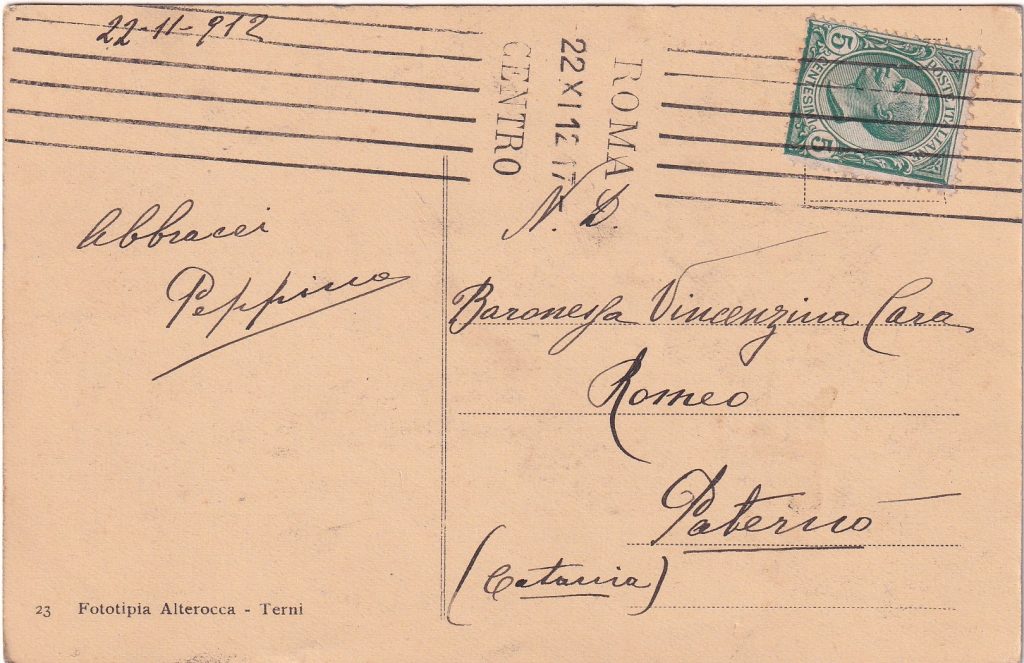

Il 16 febbraio 1948 fu emessa una serie di francobolli di posta aerea, detta
“Campidoglio” composta inizialmente da 3 valori da 100, 300 e 500 lire per far fronte alle alte tariffe di via aerea.
Il 10 settembre 1948 completò la serie l’emissione del valore da 1.000 lire, fino al 1957 è stato il francobollo dal più alto valore in uso. L’uso nel 1948 è sempre raro ed in interessante. Si mostra una lettera del 30 ottobre 1948 per l’Egitto. La tariffa è così spiegata: 90 l. lettera 3 porti (40 l. il primo e 50 l. i ss.) e 950 l. 10 porti aerei da 95 l.
E’ forse la prima data d’uso su lettera? Attendiamo le vostre segnalazioni!
When organizations talk about workplace safety, the conversation often centers on visible elements: safety signs, protective equipment, training sessions, and compliance checklists. While these are all essential, one of the most overlooked parts of workplace safety is continuous oversight during non-routine conditions. It’s not the everyday operations that usually lead to serious incidents—it’s the moments when something changes, systems go offline, or normal procedures are temporarily disrupted.
Workplaces today are dynamic environments. Buildings undergo maintenance, equipment is upgraded, layouts change, and staffing levels fluctuate. These transitions create gaps where risks increase quietly and often go unnoticed until an incident occurs. Recognizing and addressing these overlooked periods is critical to building a truly effective safety strategy.
Temporary situations are one of the most underestimated risk factors in the workplace. Fire alarm testing, sprinkler maintenance, electrical work, renovations, or system malfunctions can all reduce standard safety protections. Because these conditions are expected to be short-lived, they are sometimes treated casually.
However, emergencies do not wait for systems to be fully restored. A fire, electrical fault, or equipment failure during a temporary outage can be far more dangerous than during normal operations. The assumption that “it’s only temporary” often leads to reduced vigilance, which is precisely when heightened awareness is needed.
Another overlooked aspect of workplace safety is human behavior. Familiar environments create comfort, and comfort can lead to complacency. Employees may ignore blocked exits, bypass procedures, or assume someone else is responsible for monitoring risks.
During busy periods or after-hours operations, this issue becomes even more pronounced. Reduced staffing, fatigue, and time pressure all increase the likelihood of mistakes. Without active oversight, small hazards—such as overloaded outlets or obstructed pathways—can escalate into serious incidents.
Continuous monitoring is often missing from workplace safety discussions, yet it plays a crucial role in preventing accidents. Monitoring ensures that risks are identified in real time and addressed before they cause harm. This is especially important when automated systems are offline or when workplaces operate outside normal hours.
In many jurisdictions, continuous monitoring is required when fire detection or suppression systems are disabled. Fire watch services fulfill this need by providing trained personnel who patrol the workplace, identify hazards, maintain logs, and respond immediately if an emergency arises. Employers looking to close safety gaps during maintenance or system outages can go to website to learn how fire watch services help maintain compliance and protect people during vulnerable periods.
Another commonly overlooked reality is that compliance alone does not guarantee safety. Meeting minimum regulatory standards is important, but true safety requires proactive thinking. Regulations cannot account for every unique condition or temporary change in a workplace.
Organizations that focus only on passing inspections may miss emerging risks that develop between audits. Ongoing oversight, regular reassessment, and temporary safeguards during disruptions are what transform compliance into genuine protection.
Addressing overlooked safety elements requires a cultural shift. Safety must be viewed as an ongoing process rather than a checklist. Encouraging employees to report hazards, investing in temporary safety measures, and planning for non-routine situations all contribute to a stronger safety culture.
The most overlooked part of workplace safety is not a missing sign or policy—it’s the lack of attention during moments when normal protections are reduced. By prioritizing continuous oversight and professional monitoring during these times, organizations can prevent incidents before they happen and create safer workplaces for everyone.


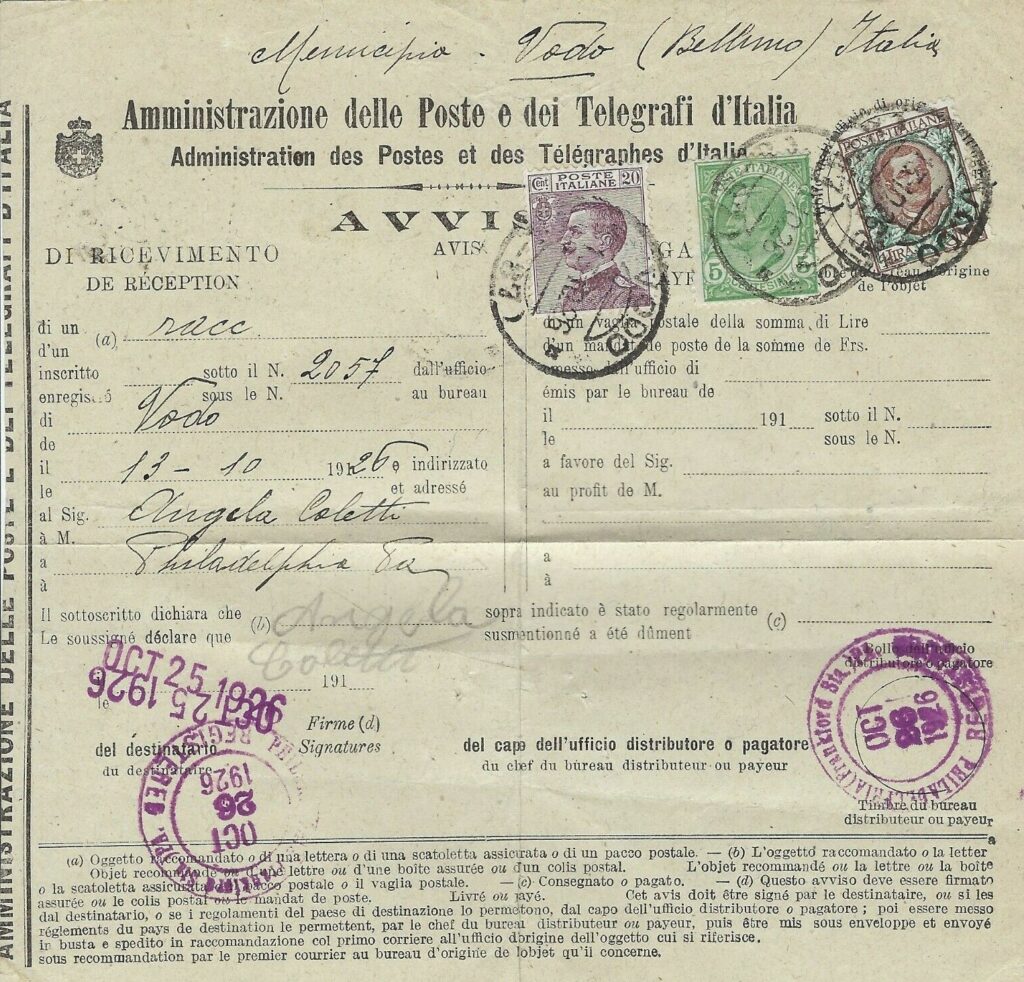
Floreale, Leoni e Michetti insieme su un avviso di ricevimento di una raccomandata spedita da Vado il 13.10.1926 a Philadelphia negli Stati Uniti d’America. Tre francobolli diversi per assolvere la tariffa da 1,25 l., un pezzo sicuramente interessante per i tanti appassionati di serie ordinarie di Regno! Iscriviti al Cifo e nel nostro notiziario mensile potrai leggere numerosi articoli interessanti!